Executive Summary
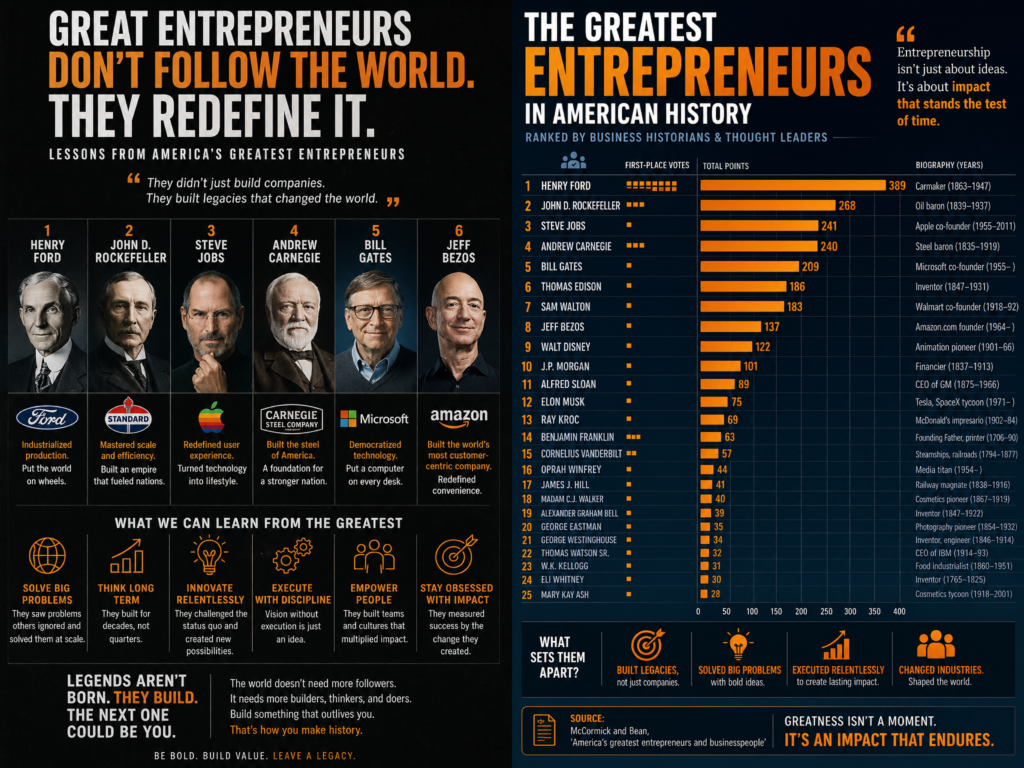
Entrepreneurship is often romanticized as a pursuit of innovation, disruption, and financial success. However, a deeper examination of history reveals that the most influential entrepreneurs did far more than build companies. They constructed systems, redefined industries, and reshaped societal behavior. This article presents a strategic, in-depth analysis of the most impactful entrepreneurs in American history, focusing on how they created enduring value through scale, execution, and vision.
This is not a narrative of success stories. It is a study of strategic patterns, decision frameworks, and long-term impact mechanisms that distinguish extraordinary entrepreneurs from the merely successful. The insights derived are designed to inform leaders, founders, and strategists seeking to build not just businesses, but legacies.
1. Introduction: Rethinking Entrepreneurial Success
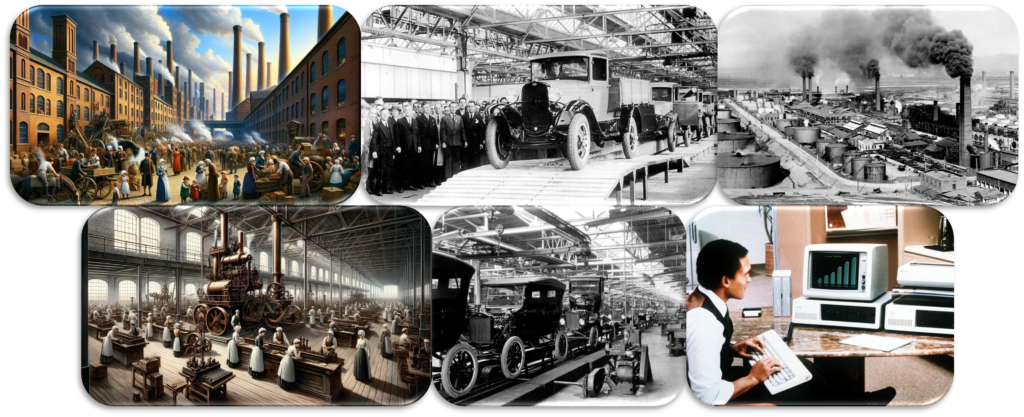
The modern definition of entrepreneurial success is increasingly narrow. Metrics such as valuation, funding, and rapid growth dominate conversations. Yet, history suggests that these indicators are insufficient to capture true greatness. The entrepreneurs who have shaped economies and societies operated with a fundamentally different mindset. They focused on solving large-scale problems, building systems that could sustain growth, and creating value that extended beyond their lifetimes.
This article examines the top entrepreneurs in American history through a strategic lens. It analyzes how individuals such as Henry Ford, John D. Rockefeller, Steve Jobs, Andrew Carnegie, and Bill Gates built organizations that not only succeeded commercially but also redefined the rules of their respective industries.
2. The Strategic Framework of Entrepreneurial Greatness
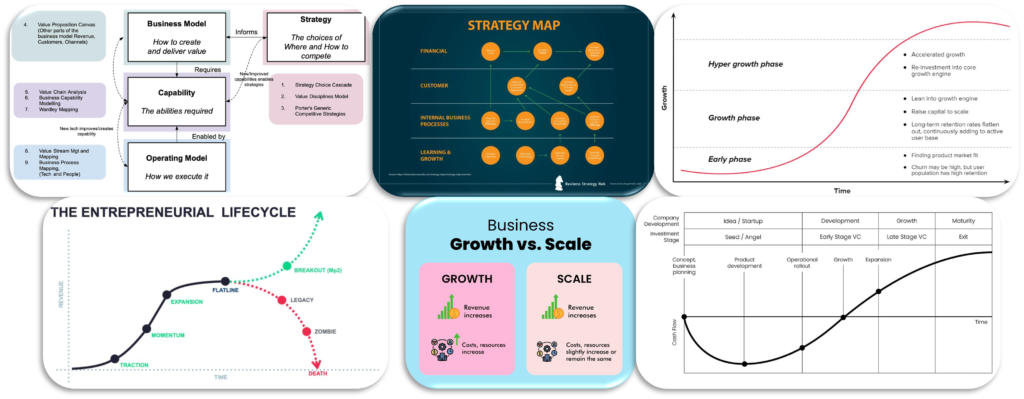
To understand what sets these individuals apart, it is essential to establish a framework for analysis. Four key dimensions emerge consistently across all top entrepreneurs: scale of impact, depth of innovation, execution capability, and sustainability of legacy.
| Dimension | Description | Strategic Implication |
|---|---|---|
| Scale of Impact | Extent of influence across industries or societies | Focus on solving large, systemic problems |
| Innovation Depth | Degree of originality and transformation | Move beyond incremental improvements |
| Execution Capability | Ability to operationalize ideas at scale | Build systems, not just products |
| Legacy Sustainability | Longevity and continued relevance of contributions | Create enduring value |
These dimensions serve as the foundation for evaluating each entrepreneur discussed in this article.
3. Industrial Titans: Building the Foundations of Modern Capitalism
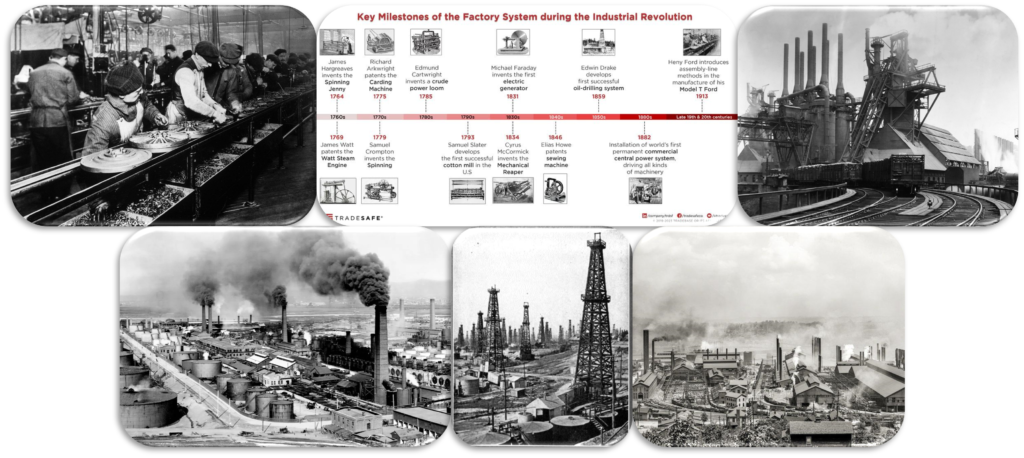
Henry Ford’s contribution to industrial manufacturing cannot be overstated. While automobiles existed prior to his innovations, they were expensive and inaccessible to the majority of the population. Ford’s introduction of the moving assembly line revolutionized production by significantly reducing manufacturing time and costs. His strategic insight extended beyond efficiency into market creation. By increasing worker wages, he enabled employees to become consumers, thereby fueling demand and accelerating industrial growth.
John D. Rockefeller’s dominance in the oil industry was driven by his ability to achieve efficiency and control across the value chain. Through vertical integration, he created a system that minimized costs and maximized output. His approach demonstrated how scale and consolidation could redefine competitive advantage, even though it later raised regulatory concerns.
Andrew Carnegie’s success in steel production enabled the development of infrastructure that supported economic expansion. By adopting advanced manufacturing processes and controlling supply chains, he reduced costs and increased accessibility. His later philanthropic efforts introduced a new dimension of entrepreneurial responsibility.
4. The Innovation Era: Redefining Technology and Consumer Experience
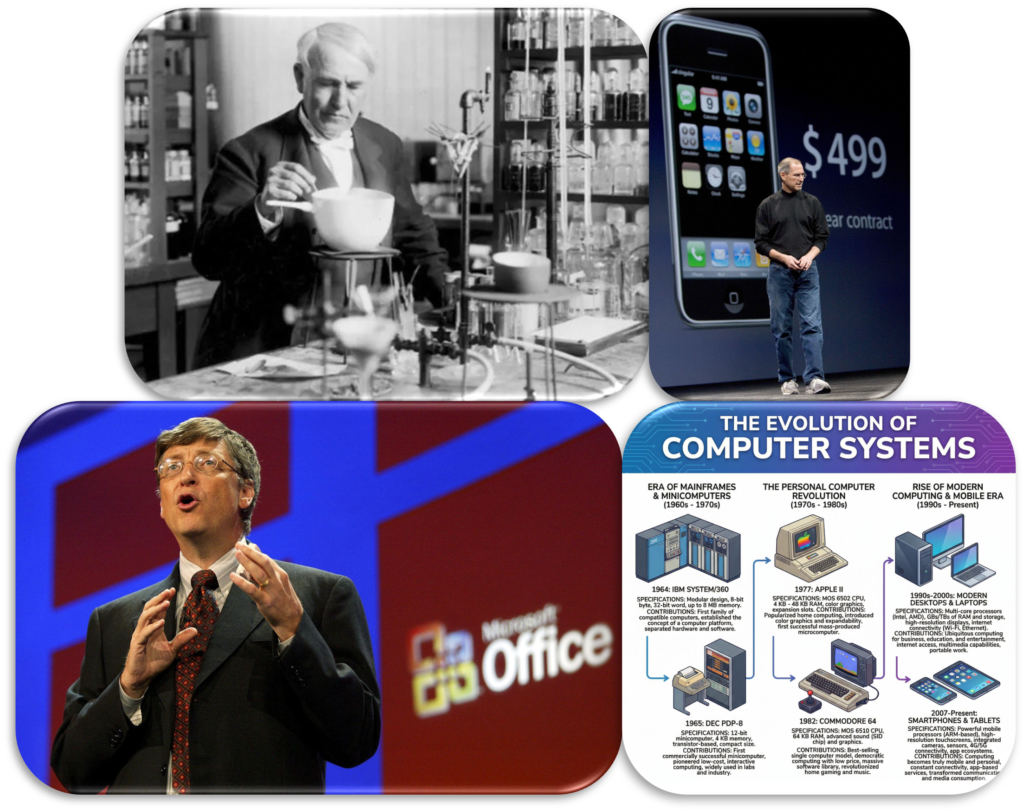
Steve Jobs redefined innovation by focusing on user experience and ecosystem integration. His ability to merge technology with design transformed consumer expectations and created products that resonated deeply with users. His approach demonstrated that innovation is not just about functionality but about emotional connection.
Bill Gates contributed to the democratization of technology through platform-based thinking. By focusing on software and leveraging network effects, he enabled widespread adoption of personal computing. His strategy highlights the importance of scalability and ecosystem development.
Thomas Edison’s approach to innovation was systematic and structured. By creating one of the first industrial research laboratories, he established a model for continuous experimentation and development. His work underscores the importance of combining creativity with execution.
5. Modern Disruptors: Building Ecosystems and Redefining Markets

Jeff Bezos transformed retail by focusing on customer obsession and long-term value creation. His willingness to invest in infrastructure and prioritize long-term growth over short-term profitability enabled Amazon to build a dominant position across multiple industries.
Elon Musk represents a new wave of entrepreneurs who operate across sectors with a focus on solving global challenges. His ventures in electric vehicles and space exploration demonstrate how visionary thinking combined with execution can drive transformative change.
6. Operational Excellence: The Hidden Driver of Success

Sam Walton’s success was built on operational efficiency and cost leadership. By optimizing supply chains and leveraging economies of scale, he created a retail model that delivered value to customers while maintaining profitability.
Ray Kroc demonstrated the power of standardization and scalability. By creating systems that ensured consistency across locations, he enabled rapid expansion and built a global brand.
7. Comparative Strategic Analysis
| Entrepreneur | Core Strategy | Key Strength | Impact Type |
|---|---|---|---|
| Ford | Mass production | Efficiency | Industrial |
| Rockefeller | Vertical integration | Scale | Economic |
| Jobs | Ecosystem innovation | Design | Technological |
| Gates | Platform creation | Network effects | Digital |
| Bezos | Customer-centric systems | Long-term vision | Digital |
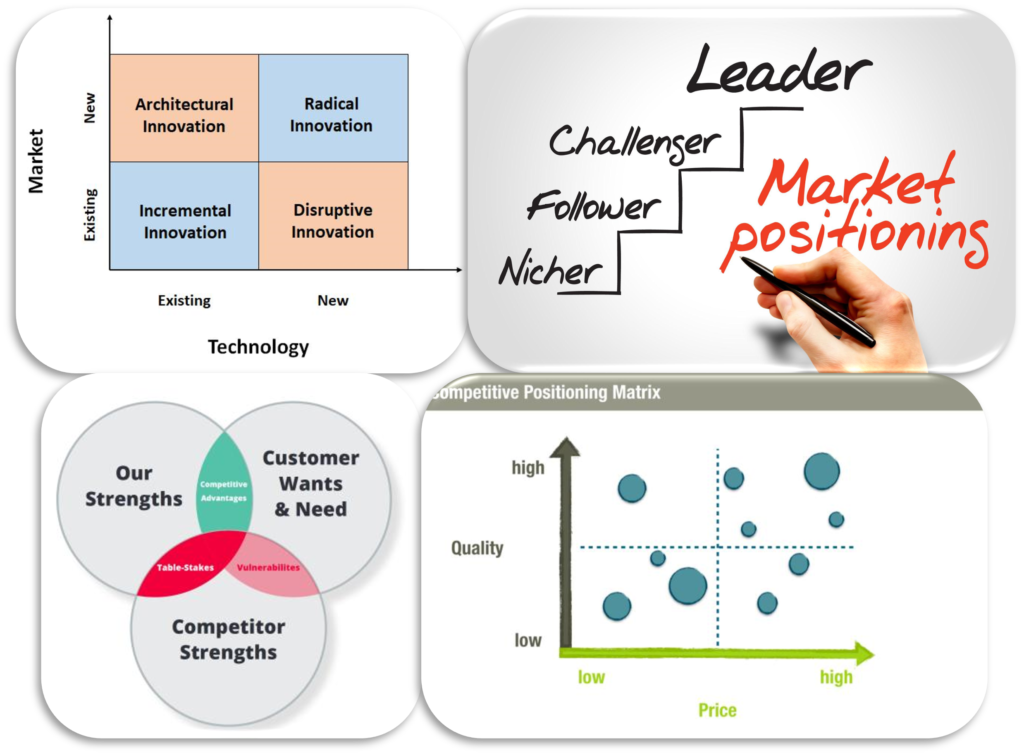
A comparative analysis of leading entrepreneurs reveals distinct strategic orientations. Some focused on scale and efficiency, while others prioritized innovation and user experience. Despite these differences, all successful entrepreneurs demonstrated an ability to align their strategies with the demands of their respective eras.
The comparative framework highlights that there is no single path to success. Instead, greatness emerges from the alignment of vision, execution, and context. Entrepreneurs who understand this alignment are better positioned to create lasting impact.
8. Key Strategic Patterns
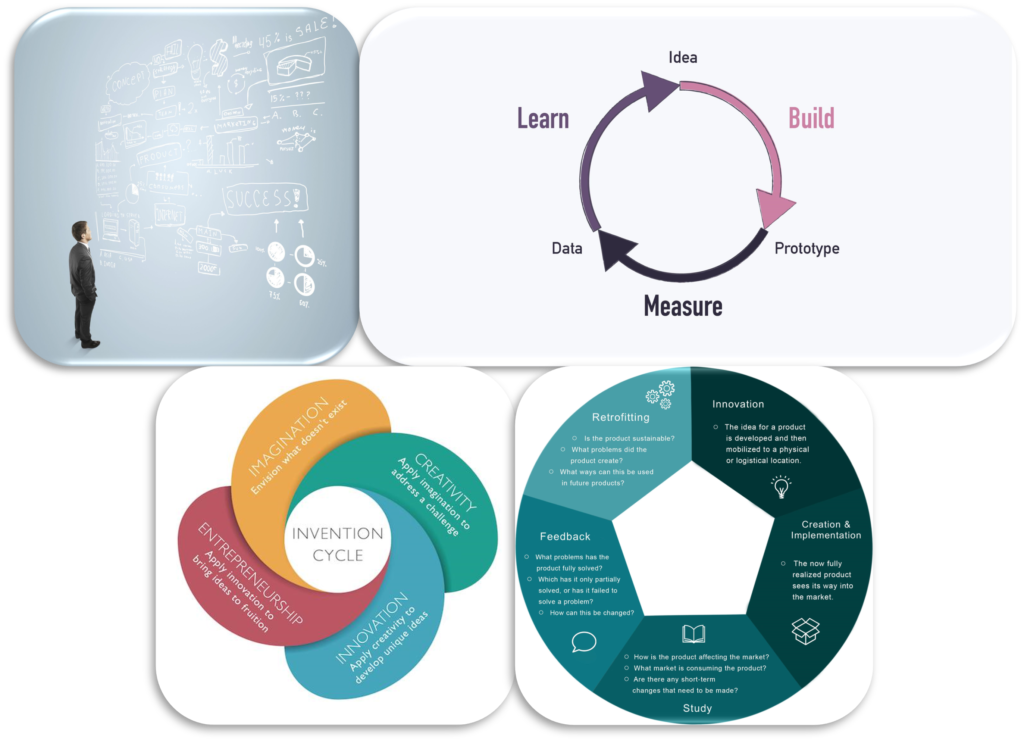
The analysis of top entrepreneurs reveals recurring patterns that transcend industries and time periods. These individuals consistently focused on solving large-scale problems, building systems that enable scalability, and maintaining a long-term perspective.
Another key pattern is adaptability. Successful entrepreneurs continuously evolved their strategies in response to changing market conditions. This ability to pivot while maintaining a clear vision is a defining characteristic of enduring success.
9. Implications for Modern Leaders
For modern leaders, the lessons derived from historical entrepreneurs are both relevant and actionable. The focus must shift from short-term performance metrics to long-term value creation. Leaders should prioritize building adaptable systems, leveraging technology, and fostering a culture of innovation.
The ability to anticipate change and respond effectively will determine success in an increasingly complex and dynamic environment. Entrepreneurs must think beyond products and consider the broader ecosystems in which they operate.
10. The Real Takeaway
The entrepreneurs analyzed in this article did not merely achieve success. They created significance. Their contributions continue to influence industries and societies, demonstrating that true greatness lies in the ability to shape the future.
The defining lesson is not about building a successful business. It is about redefining what success means in the first place.
References
- McCormick, E., & Bean, J. (2021). America’s greatest entrepreneurs and businesspeople. Retrieved from https://www.wsj.com
- Isaacson, W. (2011). Steve Jobs. Simon & Schuster.
- Chernow, R. (1998). Titan: The Life of John D. Rockefeller. Random House.
- Gates, B. (2020). How to Avoid a Climate Disaster. Knopf.
- Walton, S. (1992). Made in America. Doubleday.
Disclaimer
This article is intended for informational and educational purposes only. The analysis presented is based on historical data and publicly available information. While every effort has been made to ensure accuracy, the interpretations and conclusions are subjective and may vary.
This content does not constitute financial, legal, or business advice. Readers are encouraged to conduct independent research and consult professionals before making decisions. The author and publisher disclaim any liability arising from the use of this information.